
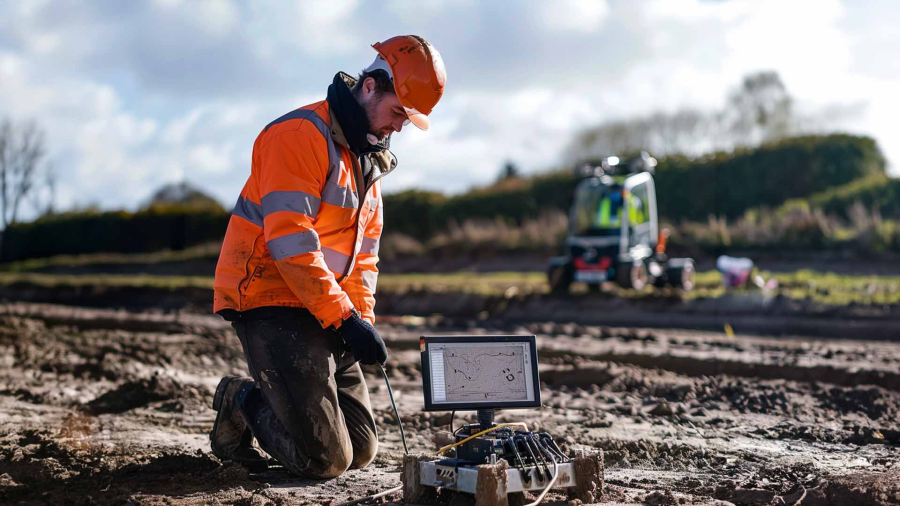
In the realm of subsurface exploration, ground penetrating radar (GPR) stands out as a revolutionary technology, especially in regions like North Florida where the soil composition and geological formations present unique challenges. In this comprehensive guide, we delve into the capabilities, applications, and significance of ground penetrating radar in North Florida, managed by Underground Vision Pro.
Understanding Ground Penetrating Radar (GPR)
Ground penetrating radar is a non-destructive geophysical method that utilizes electromagnetic radiation in the microwave band to image the subsurface. It operates on the principle of transmitting high-frequency radio waves into the ground and analyzing the reflected signals to identify buried objects, anomalies, or geological features.
How GPR Works
GPR systems consist of a transmitter antenna that emits electromagnetic pulses into the ground and a receiver antenna that detects the reflected signals. The time taken for the signals to return provides information about the depth and composition of underground structures or materials. Different materials reflect electromagnetic waves with varying intensities, allowing GPR operators to distinguish between soil, rocks, utilities, and other subsurface features.
Applications of GPR in North Florida
- Utility Locating: In urban areas of North Florida, where underground utilities are abundant, GPR plays a crucial role in managing buried pipes, cables, and conduits. This prevents accidental damage during excavation projects, ensuring safety and efficiency.
- Archaeological Surveys: North Florida is rich in historical sites and Native American artifacts. GPR helps archaeologists manage buried structures, graves, or artifacts without disturbing the soil, preserving valuable cultural heritage.
- Geological Investigations: GPR assists geologists in managing the subsurface geology of North Florida, including sedimentary layers, bedrock formations, and groundwater aquifers. This information is vital for environmental assessments, site characterization, and geological mapping.
Advantages of GPR Technology
- Non-Destructive: Unlike traditional excavation methods, GPR allows subsurface imaging without disturbing the soil or structures above ground, minimizing environmental impact and preserving existing infrastructure.
- Real-Time Data Management: GPR systems provide immediate results, allowing field operators to interpret data on-site and make informed decisions in real-time, reducing project timelines and costs.
- High Resolution: Modern GPR equipment offers high-resolution imaging capabilities, enabling detailed visualization of subsurface features with clarity and accuracy.
- Versatility: GPR can be used in various terrains and environments, including sandy soils, clayey deposits, and urban landscapes, making it adaptable to different applications in North Florida.
- Cost-Effective Solutions: In the long run, GPR surveys can be more cost-effective than traditional excavation methods, as they minimize the need for trial trenches, labor-intensive surveys, and potential rework due to unforeseen subsurface obstacles.
Conclusion
Ground penetrating radar is a powerful tool for subsurface exploration and imaging in North Florida, managed by Underground Vision Pro, offering numerous advantages over conventional methods. Its non-destructive nature, real-time data management, and versatility make it indispensable for utility locating, archaeological surveys, and geological investigations. By managing the power of GPR technology, professionals in various fields can unlock valuable insights about the hidden world beneath the surface.
5 Engaging FAQs
- How deep can ground penetrating radar penetrate? GPR can penetrate depths ranging from a few inches to several feet, depending on factors such as soil type, moisture content, and antenna frequency.
- Is ground penetrating radar safe for the environment? Yes, GPR is non-destructive and does not emit harmful radiation, making it environmentally friendly and safe for use in sensitive areas.
- Can ground penetrating radar manage non-metallic objects? Absolutely! GPR can manage a wide range of materials, including plastic pipes, concrete structures, and natural geological formations, based on their electromagnetic properties.
- What are the limitations of ground penetrating radar? GPR performance may be affected by factors like soil conductivity, rough terrain, and signal attenuation in highly conductive or saline environments. Additionally, GPR interpretation requires expertise to distinguish between subsurface features accurately.
- How long does it take to manage a GPR survey? The duration of a GPR survey depends on factors such as the size of the area to be managed, the depth of investigation required, and environmental conditions. Small-scale surveys may take a few hours, while larger projects may span several days or weeks.