In the bustling city of Daytona, Florida, innovation is a constant companion. From its iconic beaches to its vibrant culture, Daytona thrives on progress. One such innovation making waves in this dynamic city is EMI (Electromagnetic Induction) technology. Developed by Underground Vision Pro, EMI technology is revolutionizing the way surveys are conducted, offering a more efficient and accurate alternative to traditional methods.
Understanding EMI Technology
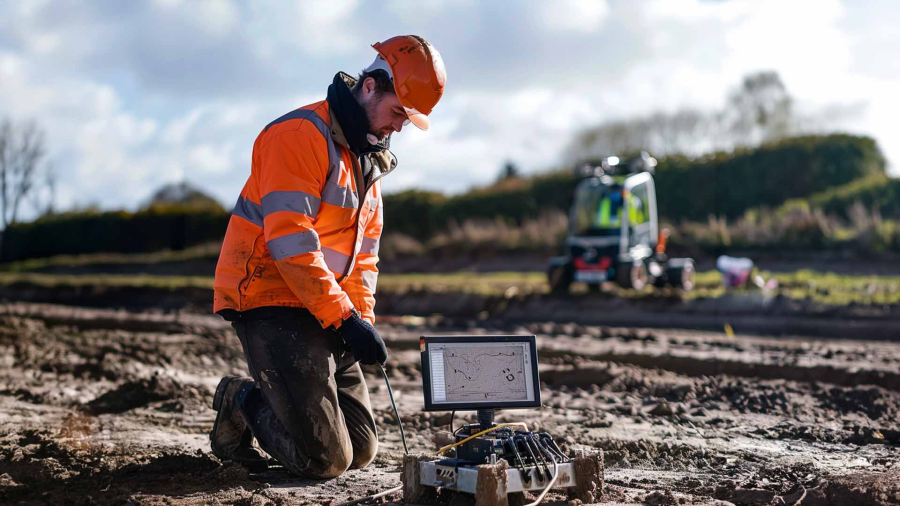
EMI technology utilizes electromagnetic fields to detect and map subsurface features. By emitting electromagnetic pulses into the ground and measuring the resulting responses, EMI devices can identify variations in soil composition, buried utilities, and other underground structures without the need for excavation.
Advantages Over Traditional Survey Methods
- Efficiency: EMI surveys can cover large areas quickly, reducing the time and manpower required for data collection.
- Accuracy: The non-invasive nature of EMI technology minimizes the risk of damage to underground assets, resulting in more accurate survey results.
- Versatility: EMI devices can be used in various environments, including urban areas, agricultural fields, and construction sites, making them suitable for a wide range of applications.
Applications in Daytona, Florida
In Daytona, EMI technology is being embraced across various industries:
- Construction: Contractors use EMI surveys to identify underground utilities and potential hazards before breaking ground on new projects, ensuring safety and minimizing costly delays.
- Infrastructure Development: City planners leverage EMI technology to map existing infrastructure networks and plan for future expansion, optimizing resource allocation and urban development.
- Environmental Conservation: Environmental agencies utilize EMI surveys to assess soil quality, monitor groundwater levels, and identify contamination hotspots, facilitating informed decision-making and sustainable land management practices.
Conclusion
EMI technology represents a paradigm shift in surveying methodologies, offering unparalleled speed, accuracy, and versatility. In Daytona, Florida, where innovation is a way of life, EMI technology is paving the way for smarter, more sustainable development across various industries.
Engaging FAQs
- How does EMI technology differ from ground-penetrating radar (GPR)? While both technologies are used for subsurface imaging, EMI technology relies on electromagnetic induction, whereas GPR uses radar pulses. EMI is typically more effective in detecting conductive materials like metal pipes and cables, while GPR excels in imaging non-conductive materials like rocks and soil.
- Are there any limitations to EMI technology? EMI surveys may be affected by factors such as soil moisture, conductivity, and electromagnetic interference from nearby sources. Additionally, EMI devices have limited penetration depth compared to other methods like borehole drilling.
- Can EMI technology detect buried archaeological artifacts? Yes, EMI surveys have been used successfully to locate buried artifacts and archaeological sites. However, the effectiveness of the technology may vary depending on the composition of the soil and the size of the objects being detected.
- Is EMI technology safe for the environment? Yes, EMI technology is non-invasive and does not pose any known environmental risks. Unlike traditional survey methods that may involve excavation or drilling, EMI surveys have minimal impact on the surrounding ecosystem.
- How can businesses in Daytona, Florida benefit from adopting EMI technology? By incorporating EMI surveys into their planning and development processes, businesses can streamline operations, minimize project risks, and enhance overall efficiency. Whether it’s optimizing construction projects, assessing environmental impacts, or planning infrastructure upgrades, EMI technology offers a competitive advantage in today’s fast-paced business environment.